The photos look great, the seller promises high rental income and a friend says prices only go up. Then you start to wonder. What are you really paying for? Will the numbers work after fees? Can you sell later without a loss? Many buyers feel this doubt, and it is a healthy one. In Dominican Republic real estate, the buyers who ask hard questions early are the ones who avoid costly surprises later.
This guide from Blue Sail Realty gives you nine practical ways to judge any property before you invest. Use them as a filter, and you will separate strong deals from risky ones with confidence.
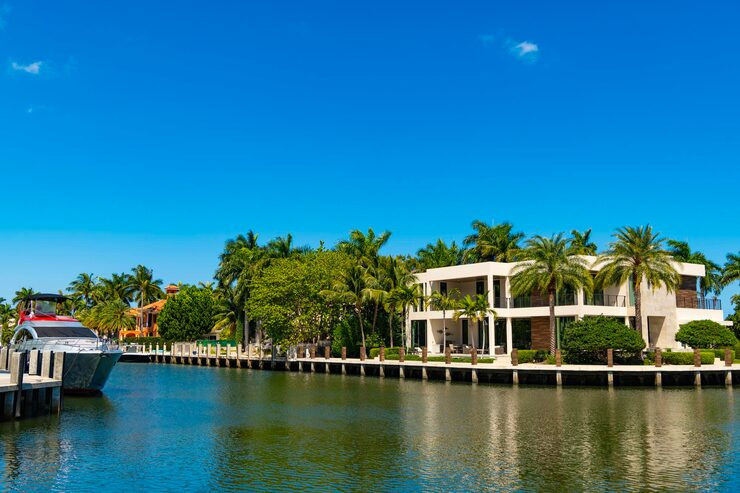
Dominican Republic Real Estate: Why Careful Evaluation Pays Off
The market gives buyers real reasons to look. The country welcomed a record 11.68 million visitors in 2025 and continued that pace into 2026, with 6.6 million arrivals in the first half of the year. Foreign investment has also hit record levels, and real estate and tourism rank among its largest recipients. Listing data shows asking prices rising about 7.7% in the year to the first quarter of 2026, and one global ranking puts average gross rental yields near 8.5%.
Those numbers explain why so many foreign buyers are paying attention. They also explain why careless buying is expensive. Strong averages hide wide gaps between towns, buildings and sellers. Averages do not pay your bills, and your property is not the average. Treat every purchase as its own case.
9 Smart Ways to Evaluate Dominican Republic Real Estate
1. Define Your Goal Before You Look
A vacation home, a rental property and a retirement house need different things. A rental needs walkable access to beaches or restaurants. A retirement home needs clinics, an airport and a quiet street. Write your goal and budget in one sentence, then judge every listing against it. This one step removes most of the wrong options in a day.
2. Study the Location and the Demand Behind It
Location drives value more than any other factor in this market. Compare towns by who visits, who lives there year round and how easy it is to get to the airport, the beach and the shops. North coast towns such as Cabarete, Sosua and Puerto Plata attract very different buyers than Punta Cana or Santo Domingo. Spend time on the ground, or watch the area on video at different times of day, before you commit.
3. Verify the Title and Legal Status
No bargain is worth a weak title. Your independent lawyer should confirm the Certificate of Title at the Title Registry and check for liens, unpaid taxes and boundary issues. Ask for the registered title, not only a deed or sale paper. For land, ask for the survey (deslinde). Traditional title insurance is not widely available, so a careful legal review is your main protection.
4. Compare the Price per Square Meter
Asking prices vary widely, so build your own yardstick. Collect five similar listings and compare the price per square meter, the age of the building and the distance to the beach. Remember that listing prices are not sale prices. Ask your agent for recent sales in the same building or neighborhood, and use them in your offer.
5. Calculate the Real Yield, Not the Sales Pitch
Gross yield looks nice, but net yield is what you keep. Start with the expected rent, then subtract monthly fees, property tax, management, repairs, vacancy and platform costs. Some local sources quote yields of 7% to 9% in popular beach towns, but your result depends on the exact unit and how well it is run. Ask for real booking records, not projections. Our guide to condos and apartments with excellent rental yields shows what strong rental properties have in common.
6. Count Every Cost
The price is only the start. Add these to your budget:
- Transfer tax: 3% of the value, paid once by the buyer.
- Closing costs: Legal, notary and registration fees bring the total to roughly 4% to 9%.
- Annual property tax (IPI): 1% a year above the 2026 threshold of RD$10,695,494.
- Monthly fees: Condos and gated communities charge dues for shared services.
- Tourism-law benefits: Projects approved under CONFOTUR may be exempt from some taxes for a period. Ask for proof, and check whether the benefit passes to a resale buyer.
Tax rules change, so confirm current figures with a local lawyer or accountant.
7. Judge the Building and the Developer
For existing homes, hire an inspector and check roofs, plumbing, electrical systems and signs of salt damage. For new projects, check the developer's past work. Visit a finished building, speak with owners and read the payment plan carefully. Pre-construction units can offer lower starting prices, but you must be comfortable waiting and trusting the builder to deliver.
8. Read the Rental Rules and Plan the Management
Some buildings limit short-term rentals, and some charge extra fees for them. Read the rules before you count on income. Then decide who will handle guests, cleaning and repairs. If you live abroad, good management is the difference between a calm investment and a constant headache. See our notes on property management in the Dominican Republic.
9. Plan Your Exit and Your Currency Risk
Ask yourself how you will sell. Check how long similar homes take to sell and what kind of buyers want them. Prices are often quoted in US dollars, but local costs are paid in pesos, and exchange rates can move. If you plan to finance, know that local mortgages for foreigners often carry rates of about 8% to 13% with down payments of 20% to 40%, so many buyers pay with their own funds. A clear exit plan keeps you from being trapped.
Buy Home in Dominican Republic: A Quick Checklist Before You Make an Offer
When you are ready to buy home in Dominican Republic markets, run through this short list first:
- Your goal and budget are written down.
- Your lawyer is independent from the seller and the agent.
- The registered title and tax-paid certificate are verified.
- You have compared at least three similar properties.
- Net yield and all costs are calculated.
- Rental rules and management are confirmed.
- A written promise of sale sets the price, deposit and conditions.
The full process usually takes two to six months, and title registration often takes 30 to 90 days. For a step-by-step walkthrough, read our guide on how to buy a house in the Dominican Republic.
Real Estate Dominican Republic: Why Timing Matters
Good opportunities do not stay open long. Well-priced homes with clean titles, strong locations and proper permits attract several buyers, and the best ones can sell quickly. At the same time, listing prices have been moving up, and tourism has been setting records, which keeps demand strong in popular coastal towns.
This does not mean you should rush. It means you should be ready. Set your budget, choose your target area and line up your lawyer, so you can act fast and still do every check. To see how prices and demand are moving, read our Dominican Republic real estate market overview and our guide to Dominican Republic real estate investment.
Why Local Guidance Protects Your Investment
A local team helps you read the market the way a resident would. At Blue Sail Realty, our focus is the north coast, including Cabarete, Sosua and Puerto Plata. We help buyers compare areas, understand real costs and connect with independent legal support before they commit, with clear information and no pressure.
Frequently Asked Questions
Is Dominican Republic real estate a good investment?
It can be, thanks to strong tourism and foreign demand. Results depend on location, price, fees and how well you manage the property.
Can foreigners buy home in Dominican Republic markets?
Yes. Foreigners have the same ownership rights as citizens, and no residency is required.
What are the closing costs for real estate in the Dominican Republic?
Expect roughly 4% to 9% of the price. This includes the 3% transfer tax, legal fees, notary and registration costs.
How do I check if a property title is clean?
Have an independent Dominican lawyer verify the Certificate of Title at the Title Registry. They will also check liens, taxes and boundaries.
What rental yield can I expect?
Global data shows an average gross yield near 8.5%, but net results are lower after fees, taxes and vacancy. Ask for real booking records.
Final Thoughts: Evaluate Dominican Republic Real Estate With Confidence
Smart buyers of Dominican Republic real estate do not rely on hope or a good photo. They define the goal, study the location, verify the title, compare prices, calculate real yield, count every cost, inspect the building, plan the management and prepare an exit. Use these nine steps, and you protect both your money and your peace of mind.
Ready to see real options? Visit our page on Dominican Republic real estate and buying property or contact Blue Sail Realty today. Share your budget and your preferred area, and we will send you a short list of properties worth seeing before they are gone.