Buying a property in another country for the first time is a significant decision. There is a lot of information available online about the Dominican Republic property market, but much of it skips the practical details that first-time buyers actually need. Which steps happen in which order? What does everything cost? What can go wrong, and how do you protect yourself?
This guide covers every stage of buying a Dominican republic house for sale as a foreign national, from the moment you start your search to the day the title is registered in your name. No overselling, no skipping the important parts. Just a clear, honest walkthrough of how the process works and what you need to know before you commit.
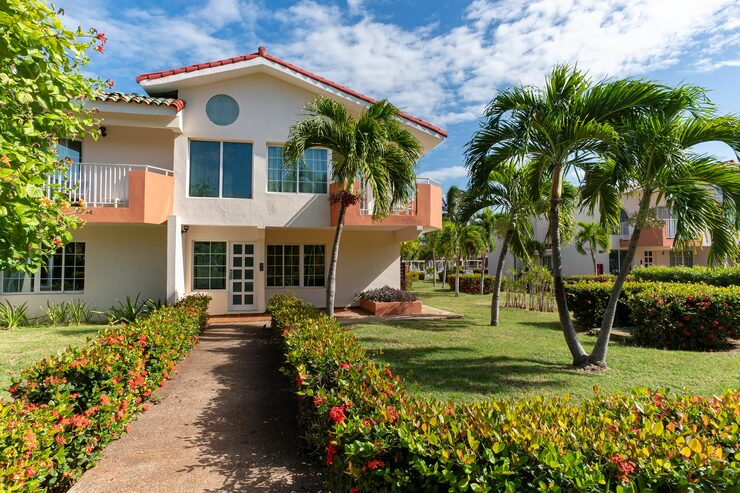
Why First-Time Buyers Are Choosing the Dominican Republic
The Dominican Republic is consistently one of the most searched Caribbean property markets among international first-time buyers, and the reasons are straightforward.
Foreign nationals have exactly the same ownership rights as Dominican citizens. You can buy any type of property, anywhere in the country, with a title registered directly in your name. There are no trusts, no leasehold structures, and no restricted zones for foreign buyers. This legal simplicity is a genuine advantage compared to markets like Mexico or Thailand where foreign ownership comes with significant restrictions.
The entry price point is accessible. A two-bedroom condo in an established gated community on the North Coast starts from approximately $150,000 to $175,000. A three-bedroom pool villa in the same area begins around $220,000 to $300,000. These figures represent serious value against comparable Caribbean destinations where similar properties routinely cost 40 to 60 percent more.
The rental income potential is real. The Dominican Republic received over 10 million international visitors in 2025, creating year-round demand for vacation rentals that directly benefits property owners. For first-time buyers who plan to use the property for part of the year and rent it out for the rest, this matters significantly.
And the buying process, while it requires care and professional guidance, is genuinely manageable for foreign buyers who approach it correctly.
Step 1: Define Your Purpose Before You Start Searching
The single most important decision you will make comes before you look at a single listing. You need to be clear about what you are buying the property for, because purpose drives every subsequent decision including location, property type, and budget allocation.
Buying as a vacation home: You want a property you will enjoy personally for a few weeks each year, ideally one that generates some rental income when you are not there. Your priorities are lifestyle quality, beach proximity, and property management infrastructure.
Buying as a rental investment: You want a property that generates net income. Your priorities are rental yield, occupancy rates, location within a tourist corridor, and the quality of local property management options.
Buying for retirement or full-time living: You want a home you will actually live in. Your priorities shift toward infrastructure quality, access to healthcare and services, community environment, and long-term comfort rather than short-term rental performance.
Most first-time buyers in the Dominican Republic fall into one of these categories or a combination of the first two. Understanding which camp you are in before you start searching saves significant time and prevents the common mistake of falling in love with a property that is not right for your actual situation.
Step 2: Choose the Right Location for Your Goals
Location is the biggest driver of both lifestyle satisfaction and investment performance in the Dominican Republic. Here is a clear breakdown of the main areas relevant to most first-time buyers.
Cabarete
Cabarete is the most active lifestyle destination on the North Coast. It has an international reputation as a water sports hub, drawing kiteboarders, surfers, and windsurfers from across the globe. That reputation creates a diverse, year-round visitor base that supports strong short-term rental demand.
For first-time buyers who want a vacation home they can also rent out profitably, Cabarete is a strong starting point. The town has excellent restaurants, cafes, a coworking scene, and an established expat community. Gated communities near Kite Beach and the town center are among the most actively traded on the North Coast.
Explore Cabarete real estate and homes for sale to see available properties in the area.
Sosua
Sosua offers a slightly more relaxed pace than Cabarete, with a beautiful beach, a large resident expat community, and a wide range of property options across different price points. It sits approximately 10 minutes from Puerto Plata International Airport, which makes it particularly convenient for buyers who will be flying in and out regularly.
A house in Dominican republic for sale in Sosua typically comes at a slight discount to comparable Cabarete properties, which makes it an attractive starting point for budget-conscious first-time buyers who still want North Coast access.
Las Terrenas
Las Terrenas is located on the Samana Peninsula on the northeastern coast and appeals to buyers who want a quieter, more nature-focused environment. The area has a strong European influence and a distinct character compared to the North Coast. It suits retirees and buyers looking for a tranquil base rather than an active tourist hub.
Browse Las Terrenas properties for sale for available homes and investment opportunities in the area.
Puerto Plata
Puerto Plata is the main city on the North Coast and offers full urban services including private hospitals, international schools, commercial centers, and consistent infrastructure. For buyers who want practical access to services alongside beach proximity, Puerto Plata makes strong logistical sense. Property prices are generally competitive, and the city's ongoing development supports long-term value.
View available houses for sale in Puerto Plata and other real estate opportunities in the area.
Step 3: Understand What Your Budget Actually Covers
One of the most common mistakes first-time buyers make is treating the listed purchase price as the total cost. It is not. Here is what you actually need to budget for when purchasing a Dominican republic house for sale.
The purchase price: This is the negotiated sale price of the property itself.
Transfer tax: Buyers pay a 3 percent transfer tax based on the government-assessed value of the property, which may differ from the purchase price. This is one of the largest closing costs.
Attorney fees: Hiring your own independent attorney is not optional for any responsible first-time buyer. Legal fees typically run 1 to 2 percent of the purchase price. This covers the title search, contract review, and supervision of the closing process.
Notary fees: The sale must be authenticated by a Dominican notary. Notary fees are a smaller component of closing costs but should be budgeted separately.
Total closing costs: Expect total buyer-side closing costs to run between 4 and 7 percent of the purchase price. On a $250,000 property, budget between $10,000 and $17,500 for closing costs on top of the purchase price.
Ongoing annual costs: After closing, you will pay an annual property tax (IPI) of 1 percent on the assessed value exceeding approximately $155,000 USD. Gated community properties carry monthly HOA fees typically running $200 to $400. Maintenance costs in the tropical coastal climate run 1 to 1.5 percent of property value per year. Budget for all of these before committing to a purchase price.
Important note on Confotur: Many new-build developments in the Dominican Republic qualify for the Confotur tourism incentive, which eliminates the transfer tax at closing and waives the annual property tax for up to 15 years. For qualifying properties, your closing costs drop significantly. Always ask whether a new-build property carries Confotur status and verify this with your attorney.
Step 4: Find a Trustworthy Agent and Attorney
Buying a house for sale in Dominican Republic without local professional support is a genuine risk. The market has reputable, experienced agents who add real value, and it also has individuals who operate with far less care. Here is how to tell the difference.
A good agent in this market knows their inventory deeply, can provide honest assessments of what is and is not worth the asking price, and operates transparently on fees and process. They do not rush you into a decision, they do not hide costs, and they are available to answer questions clearly throughout the process.
Your attorney is equally important. The critical point for first-time buyers is that your attorney must be independent from the seller, the developer, and the agent. You need someone whose only obligation is to protect your interests. They will conduct the title search, review the purchase contract, manage the escrow process, and supervise the title transfer. This is not a cost to minimize.
Step 5: The Buying Process From Offer to Closing
Once you have identified a property you want to purchase, the sequence of steps is consistent across most transactions in this market.
Reservation deposit: A reservation deposit of $5,000 to $10,000 removes the property from active marketing and locks the agreed price. This is typically paid once both parties have agreed on price in principle.
Purchase agreement: Your attorney drafts or reviews the formal purchase agreement. This document sets out the full terms of the sale, payment schedule, closing timeline, and the conditions under which deposits are refundable. Never sign a purchase agreement without your attorney reviewing it first.
Deposit payment: A formal deposit of 10 percent of the purchase price is typically due upon signing the purchase agreement. This is held in escrow at a reputable Dominican bank, not transferred directly to the seller.
Due diligence period: Your attorney conducts the full title search during this window, typically 30 to 45 days. This includes verifying the Certificate of Title, checking for outstanding liens or unpaid taxes, confirming the seller's legal right to transfer the property, and reviewing the property survey (deslinde) for any boundary issues.
Final payment and title transfer: Once due diligence is complete and all conditions are satisfied, the remaining balance is paid and the title is transferred. Ownership is then registered with the national land registry in your name.
The full process from accepted offer to completed title registration typically takes 60 to 90 days for a straightforward transaction. More complex transactions or those with title issues can take longer.
Step 6: After You Buy: Managing Your Property
For first-time buyers who will not be living in the Dominican Republic full time, property management is an important post-purchase decision. If you plan to rent the property, you will need a local management team to handle bookings, guest communication, cleaning, and maintenance.
Professional property management fees for short-term rentals on the North Coast typically run 15 to 25 percent of gross rental revenue. This is a real operating cost that should be factored into any income projections before you buy, not after.
For long-term rentals or properties that will sit vacant between personal visits, a simpler caretaker arrangement may be sufficient. Either way, having a trusted local contact who can respond to maintenance issues and keep an eye on the property is essential for any absentee owner.
Key Red Flags Every First-Time Buyer Should Know
Not every property marketed to foreign buyers is a safe purchase. Here are the warning signs that should cause any first-time buyer to slow down.
No Certificate of Title or unclear title history. The Dominican Republic has a formal land registry system, but properties with disputed or incomplete title history exist. A full title search is non-negotiable.
Seller or agent discouraging your own attorney. Any party who tries to discourage you from retaining independent legal representation is a serious warning sign. Walk away.
Requests to transfer deposits directly to the seller. All deposits should go into escrow at a reputable bank. Direct transfers to an individual seller carry significant risk.
Pricing significantly below comparable properties. If a house for sale in Dominican Republic is priced well below what similar properties are selling for in the same area, there is usually a reason. Find out what it is before proceeding.
Missing HOA financial records. For gated community properties, request financial statements and meeting minutes from the HOA for at least the past two years. An underfunded HOA leads to deteriorating common areas and potential special assessments.
Frequently Asked Questions
1. Can a foreigner legally buy a Dominican Republic house for sale?
Yes. Foreign nationals have the same full property rights as Dominican citizens. No residency is required to purchase, and titles are registered directly in the buyer's name.
2. How much does a house in Dominican Republic for sale typically cost?
Entry-level condos in established communities start from approximately $150,000. Three-bedroom pool villas begin around $220,000 to $300,000. Luxury and oceanfront properties range from $500,000 to over $1 million.
Explore luxury properties for sale in the Dominican Republic for higher-end property options.
3. Do I need a lawyer to buy a house for sale in Dominican?
Yes, always. An independent attorney protects your interests, conducts the title search, reviews the contract, and manages the closing. Never skip this step regardless of how straightforward a transaction appears.
4. What are the total costs of buying a Dominican Republic house for sale?
Budget 4 to 7 percent of the purchase price for closing costs, covering transfer tax, attorney fees, and notary costs. Ongoing costs include annual property tax, HOA fees for gated communities, and maintenance. Confotur-eligible new builds waive the transfer tax at closing.
5. How long does it take to buy a house in Dominican Republic for sale?
A straightforward transaction typically takes 60 to 90 days from accepted offer to completed title transfer. This covers the deposit, due diligence period, final payment, and title registration.
Blue Sail Realty | North Coast Dominican Republic Specialists
113 Main Street, Cabarete, Puerto Plata, Dominican Republic
Phone: 1-849-283-4906 | Email: james@bluesailrealty.com
Explore current listings: www.bluesailrealty.com